Trombone Embroidery Design: A Designer’s Practical Review
As a designer who spends more time staring at stitch maps than actual fabric, I have learned to be skeptical of musical instrument motifs. They often suffer from one of two problems: they are either so simplified that they look like childish clipart, or so complex that they turn into a tangled mess of thread on anything but the sturdiest denim. When I first loaded the Trombone machine embroidery design into my software, I was looking for that middle ground—something with enough character to be recognizable, but clean enough to stitch reliably on commercial products.
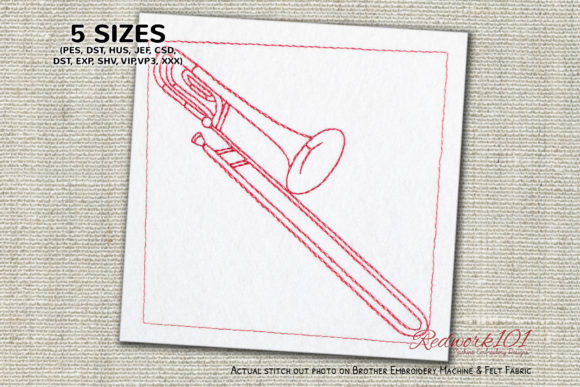
The immediate impression is one of classic, understated elegance. This is not a cartoonish representation; it captures the essential silhouette of the brass instrument with a respect for its form. The sliding bar, the bell, and the mouthpiece are proportioned correctly, which matters immensely to musicians or music teachers who might commission a custom piece. For an Etsy seller or small shop product creator, this accuracy builds instant trust. Customers can spot a lazy design from a mile away, and this one feels intentional.
Real-World Application: The Custom Tote Bag Test
To truly evaluate an embroidery file, you have to move beyond the screen and think about the final finished product. I recently worked on a project for a local jazz ensemble needing branded merchandise. We decided on heavy canvas tote bags, a popular item for gigging musicians. This is where the Trombone design really shined.
I placed the design on the lower right corner of the bag, a standard placement for subtle branding. Because the design relies on clear lines rather than excessive density, it did not pucker the canvas. The optional Box Stitch mentioned in the description is a crucial feature here. In my test run, I chose to omit the box to keep the look modern and minimalist. However, if you are creating a personalized gift for a student recital, adding that border can frame the instrument beautifully, giving it the feel of a plaque or award. The ability to toggle this element makes the design versatile for both commercial embroidery batches and one-off handmade products.
Stitch Quality and Fabric Considerations
Let’s talk about the mechanics. Musical instruments are tricky because they involve long, thin lines (the slide) and broader areas (the bell). In poor designs, the long lines tend to wander or break during washing. With this Trombone pattern, the stitch path appears logical. It likely utilizes a combination of running stitch for the finer details of the slide and a tighter satin stitch or light fill stitch for the bell, depending on the size you choose to hoop.
However, context is everything. If you are planning to use this on a stretchy fabric, such as a performance tee or a baby onesie, you must be diligent with your stabilizer. I recommend a cut-away stabilizer for any garment that will undergo frequent washing. The thread colors you select will also dictate the success of the project. Brass instruments require a nuanced palette. A flat yellow gold looks cheap. I suggest using variegated gold threads or blending two shades of metallic thread to give the embroidery project depth and a realistic metallic sheen.
Be cautious with dark fabric. If you are stitching this on a navy sweatshirt or black apron, ensure your underlay stitches are sufficient to prevent the dark fabric from peeking through the lighter gold threads. A test stitch on scrap fabric is non-negotiable here. Check the stitch density; if it feels too sparse on your specific machine tension, you may need to adjust the pull compensation or add a slight backing fill, though the design as-is is generally well-balanced for standard home and commercial machines.
Versatility Across Product Lines
Beyond tote bags, where else does this design fit? I see strong potential in sweatshirt embroidery. A left-chest placement of the trombone, perhaps without the optional box, creates a sophisticated look for band uniforms or music department faculty apparel. It is small enough to not overwhelm the garment but detailed enough to be identified from a distance.
For holiday embroidery or seasonal gifts, consider pairing this with text. Imagine "First Chair" or "Band Mom" stitched above or below the instrument. The linear nature of the trombone allows for easy integration with curved or straight text elements. This makes it a valuable asset for design assets libraries used by craft business owners who need to churn out customized items quickly.
If you are making embroidered patches, this design is ideal. The distinct outline translates well to merrowed edges or satin borders. Patches are a high-margin item for digital embroidery file sellers, and having a clean, recognizable instrument design expands your catalog beyond the usual flowers and monograms. Just ensure you check the minimum hoop size required for the level of detail you want. If you shrink it too much for a tiny keychain fob, the slide mechanism might lose definition.
Commercial Viability and Branding
From a business perspective, niche designs sell. General "music" notes are oversaturated. A specific instrument like a Trombone targets a dedicated community. Band directors, orchestra parents, and jazz enthusiasts are passionate buyers. By offering this design on custom apparel or accessories, you are speaking directly to their identity. This specificity increases perceived value.
When creating printable mockups for your online store, show the design on varied backgrounds. Show it on a textured linen napkin, a smooth polyester cap, and a rugged denim jacket. This helps customers visualize the versatility. Remember, the Music category is broad, but this design is specific. Use that specificity in your SEO tags and product descriptions. Mention "brass instrument," "band gear," and "orchestra gift" to attract the right traffic.
Final Designer Notes and Recommendations
Before you commit to a large production run or list this as a new digital product, keep these practical tips in mind:
- Test on Scrap First: Always stitch a sample on the exact fabric type you intend to sell. Check for registration issues between the slide and the bell.
- Color Contrast: Ensure the outer box color (if used) contrasts sufficiently with the inner trombone color. As noted, the box is often a different color, which can be used to highlight the design or blend it in, depending on your aesthetic goal.
- Licensing Check: Confirm the license terms provided with the file. Can you sell finished physical items? Can you resell the digital file? Never assume. Protect your craft business by adhering to the creator's rules.
- Detail Inspection: Zoom in on the connection points of the slide. These are high-stress areas in stitching. Ensure your machine handles the direction changes smoothly.
- Fabric Texture: Avoid using this on highly textured fabrics like looped terry cloth unless you use a topping. The fine lines of the trombone slide can get lost in the pile.
In conclusion, the Trombone embroidery design is a solid, professional-grade asset. It avoids the pitfalls of over-complication while maintaining visual integrity. For the embroidery designer looking to expand their Music themed portfolio, or the maker seeking a unique angle for their next personalized gift line, this design offers reliability and style. It respects the instrument, respects the stitcher, and ultimately, respects the customer wearing or using the final piece. With proper stabilizer selection and thoughtful thread choices, it is a design that will hold up well in both aesthetic appeal and durability.