Reviewing the Dog Head Applique Design for Real Projects
As a designer who spends more time staring at stitch maps than actual thread, I have learned that not every machine embroidery design is created equal. Some look fantastic on a screen but turn into a tangled mess of bird’s nests on fabric. Others are simple, sturdy, and instantly recognizable. When I first loaded the Dog Head Applique Design into my software, I was looking for that sweet spot between visual charm and technical reliability. After putting it through its paces on various textiles, I am ready to share my honest assessment for fellow Etsy sellers, craft business owners, and hobbyists.
First Impressions: Mood and Visual Personality
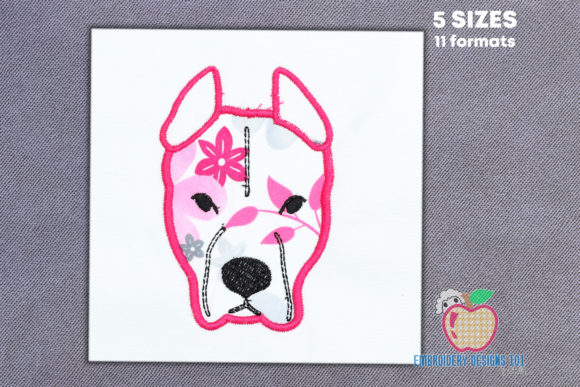
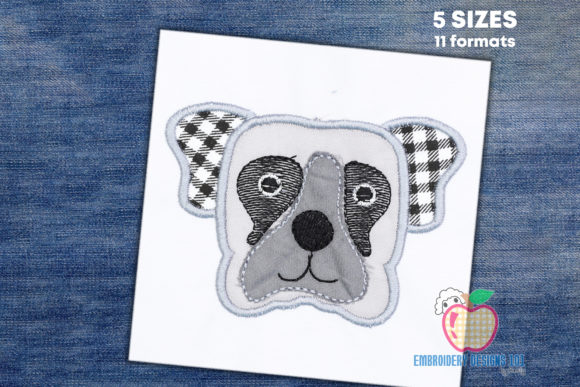
The immediate appeal of this applique design lies in its simplicity. It does not try to be hyper-realistic, which is often a trap for amateur digitizers. Instead, it offers a stylized, clean silhouette that reads well from a distance. This is crucial for apparel and home decor, where intricate details can get lost or cause puckering. The mood is friendly and approachable, making it an ideal candidate for personalized gifts and boutique merchandise. It feels less like a rigid logo and more like a warm illustration, which helps build an emotional connection with the end customer.
For those of us in the trade, the separation of steps by color changes is a significant workflow advantage. It means you can pause the machine to place your applique fabric without hunting for trim commands or dealing with complex jump stitches. This structure suggests a thoughtful digitization process, prioritizing ease of use for the operator.
Real-World Application: From Tote Bags to Sweatshirts
To truly evaluate a design, you have to stitch it out. I tested the Dog Head Applique Design on a canvas tote bag, a cotton sweatshirt, and a textured kitchen towel. The results varied slightly, offering valuable insights for different product lines.
On the tote bag design project, the design shone brightest. The flat, stable surface of the canvas allowed the satin stitch borders to lay perfectly flat. The contrast between the dark thread and the natural canvas created a high-impact look that would sell well at craft fairs. For sweatshirt embroidery, the design held up well, provided I used a cut-away stabilizer. The softness of the fleece required careful tension adjustment, but the final finished product looked professional and cozy. This makes it a strong contender for custom apparel lines targeting pet lovers.
I also considered its use for baby embroidery. While the style is cute, I would advise caution regarding the stitch density on delicate fabrics. For onesies or burp cloths, ensuring the backing is soft and non-irritating is paramount. The design’s lack of overly dense fill stitches is a plus here, reducing the risk of stiffness against sensitive skin.
Technical Performance and Stitch Quality
From a technical standpoint, the transition between the placement stitch, the tack-down stitch, and the final satin border is smooth. The satin stitch width appears consistent, which is essential for a polished look. However, the success of any applique relies heavily on the precision of the cut. Because the design uses a satin edge to cover the raw edges of the fabric, slight misalignments during the cutting phase can be forgiving, but gross errors will show.
The stitch density seems balanced for general-purpose use. It is not so light that the fabric shows through excessively, nor so heavy that it causes registration issues or hoop burn. This balance is critical for commercial embroidery where speed and consistency matter. If you are running a small shop product line, you want a design that minimizes machine downtime due to thread breaks or re-hooping.
One aspect to note is the reliance on thread colors. Since the design is largely defined by its outline and the contrast of the applique fabric, your choice of thread can make or break the look. I recommend testing high-contrast combinations first. A black border on white fabric is classic, but experimenting with tonal threads can create a subtler, more sophisticated aesthetic for higher-end boutique branding.
Where to Use Caution
While versatile, this design is not universal. I would hesitate to use it on highly textured fabrics like thick terry cloth or loose-weave linens without extensive testing. The satin stitch may sink into deep piles, losing its definition. Similarly, on stretchy knits, proper stabilization is non-negotiable. Without a quality stabilizer, the circular nature of the dog’s head could distort during washing.
Curved surfaces, such as caps, present another challenge. The design’s width needs to be checked against your cap frame’s usable area. If the design is too wide, it may wrap around the curve too aggressively, causing visibility issues from the front. Always check the specific dimensions against your hoop size before committing to a production run.
Enhancing Product Value and Brand Consistency
For craft business owners, consistency is key to building trust. The Dog Head Applique Design offers a reliable aesthetic that can become part of your brand identity. Whether used on holiday embroidery projects like Christmas stockings or everyday items like aprons, it maintains a cohesive look. This consistency helps customers recognize your work, fostering loyalty and repeat business.
Moreover, the design’s clarity translates well to printable mockup images. When listing items online, having a crisp, clean design allows for better digital presentation. Customers can easily visualize the final product, which can significantly boost conversion rates for digital embroidery file buyers or those purchasing finished goods.
Practical Notes for Designers and Makers
Before you launch this design into your next embroidery project, keep these practical tips in mind:
- Test on Scrap Fabric: Always run a test stitch on the same material you plan to use for the final product. This helps you adjust tension and stabilizer choices.
- Check Thread Contrast: Ensure your thread color stands out against both the applique fabric and the base garment. Poor contrast can make the design look muddy.
- Verify File Formats: The product description mentions multiple embroidery file formats. Confirm that your specific machine reads the format provided to avoid conversion errors.
- Review Licensing: If you plan to sell items made with this design, verify the license terms. Some designers allow commercial use for finished physical items but restrict the resale of the digital file itself.
- Inspect Small Details: Zoom in on your software to check for any potential jump stitches or unnecessary trims that might need manual editing.
In conclusion, the Dog Head Applique Design is a solid addition to any designer’s library. It balances aesthetic appeal with technical practicality, making it suitable for a wide range of applications from personalized gift items to small-batch apparel. By understanding its strengths and limitations, you can leverage this asset to create high-quality, profitable products that resonate with customers.