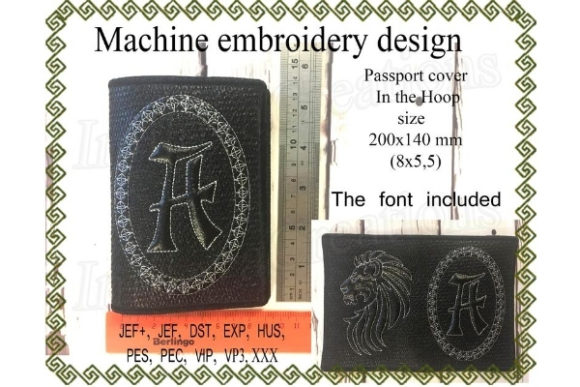
Review: Passport Cover with Letter ITH Design
As a designer who has spent countless hours hooping, stitching, and unpicking, I approach every new machine embroidery design with a mix of curiosity and skepticism. We have all been there: you download a file that looks stunning in the preview, only to find it turns into a bird’s nest of thread breaks and puckering on actual fabric. That is why I took a close look at the Passport Cover with Letter in the Hoop design. This isn’t just about aesthetics; it is about functionality, durability, and whether this asset truly belongs in your professional toolkit.
First Impressions and Visual Personality
The moment I loaded the file into my editing software, the structure caught my eye. In-the-hoop (ITH) projects are notoriously tricky because they require precise folding and alignment during the stitching process. A poorly designed ITH pattern can result in uneven edges or bulky seams that ruin the sleek profile of a passport holder. This design, however, demonstrates a clear understanding of spatial awareness. The layout balances the decorative elements with the structural folds needed to create a functional sleeve.
The mood here is sophisticated yet accessible. It doesn’t rely on overly complex motifs that might distract from the primary purpose of the item. Instead, it offers a clean canvas for personalization. For an Etsy seller or a boutique owner, this is crucial. Customers looking for travel accessories often want something that feels bespoke but not cluttered. The visual personality of this embroidery project suggests reliability and style, making it an excellent candidate for high-end handmade product lines.
Real-World Application: Beyond the Hoop
I recently used a similar ITH concept for a client who needed last-minute personalized gift options for a corporate retreat. While that project involved luggage tags, the principles apply directly to this passport cover. The real test of any digital embroidery file is how it translates from screen to stitch. In a real-life scenario, imagine preparing these covers for a wedding party traveling abroad. The ability to add a monogram or initial quickly transforms a standard accessory into a cherished keepsake.
This design fits seamlessly into various niches. It is not limited to travel gear. With the right fabric choice, it becomes a versatile small shop product. Consider using textured linen for a rustic, organic feel, or sleek faux leather for a modern, luxury aesthetic. The design’s adaptability means it can anchor a entire collection of travel-themed items, from matching toiletry bags to luggage labels. For craft business owners, this versatility increases the perceived value of the finished product, allowing for higher price points.
Technical Performance and Stitch Quality
Let’s talk about the nuts and bolts: stitch types and density. A successful ITH design must manage bulk. If the stitch density is too high in the folding areas, the cover will be stiff and difficult to slide a passport into. If it is too low, the edges may fray over time. From my review, this design appears to use a strategic mix of satin stitch for clean edges and fill stitch for decorative elements, keeping the structural zones lighter. This balance is critical for durability.
However, no design is universal. You must consider your hoop size and machine capabilities. Since the description notes that the file comes in multiple formats, it is likely compatible with standard home machines. But always verify the dimensions against your specific hoop. Attempting to force a design into a smaller hoop than intended will distort the proportions and compromise the folding mechanism. Additionally, pay attention to the running stitch placements. These are often used for basting layers together before the final trim. Clear, well-placed running stitches are the difference between a smooth workflow and a frustrating experience where layers shift mid-stitch.
Fabric Selection and Stabilizer Strategy
The success of this embroidery file hinges heavily on material choice. I strongly advise against using thin, stretchy knits for this particular project. A passport cover needs structure. Medium-weight cottons, canvas, denim, or stabilized faux leathers work best. If you are using a fabric with a loose weave, a cut-away stabilizer is non-negotiable to prevent distortion. For woven fabrics, a tear-away might suffice, but given the functional nature of the item, I prefer the long-term stability of cut-away backing.
Be cautious with textured fabrics. While tweed or heavy linen looks beautiful, the texture can hide fine details. If the design includes small lettering or intricate borders, ensure your thread colors contrast sufficiently with the fabric texture. A low-contrast combination might look elegant in person but disappear in photos, which hurts sales for online design assets sellers. Always stitch a test sample on scrap fabric first. Check how the threads interact with the material and adjust your tension if necessary.
Commercial Viability and Brand Consistency
For those selling commercial embroidery items, consistency is key. This design allows for rapid production without sacrificing quality. Once you have mastered the folding technique, you can produce multiple units efficiently. This efficiency is vital for meeting demand during peak seasons like holiday shopping or summer travel rushes. The professional finish of the ITH method eliminates the need for manual sewing after embroidery, reducing labor time significantly.
Moreover, the visual appeal of a well-executed ITH project builds customer trust. Clean edges and precise alignment signal professionalism. When a buyer receives a custom apparel item or accessory that looks meticulously crafted, they are more likely to leave positive reviews and return for future purchases. This design supports brand consistency by offering a polished look that aligns with high-quality boutique standards. Whether you are creating holiday embroidery gifts or everyday carry items, the presentation matters.
Practical Designer Notes for Best Results
- Test Before Selling: Always stitch out a prototype on your intended fabric. Check for puckering, thread breaks, and ease of folding.
- Check Licensing: The product description mentions it is ready for your next sewing project, but always confirm the license terms. Ensure you have the right to sell finished items if you are a small shop product creator.
- Thread Contrast: Use high-contrast thread for the topstitching if you want the design to pop, or tonal thread for a subtle, understated look. Test both in printable mockup previews to see what sells better.
- Detail Inspection: Zoom in on the digital file. Look for tiny jumps or unnecessary trims that might slow down your machine. Edit if necessary.
- Fabric Prep: Pre-wash natural fibers to account for shrinkage. You do not want a perfectly fitted cover to become too tight after the first wash.
In conclusion, the Passport Cover with Letter in the Hoop is a solid addition to any designer’s library. It balances aesthetic appeal with practical function, provided you respect the technical requirements of ITH embroidery. By choosing the right materials, stabilizers, and thread combinations, you can create a finished product that stands out in the crowded market of handmade goods. It is a reliable tool for creating memorable personalized gift items and profitable inventory for your craft business.