Halloween Broom: A Designer’s Review for Craft Fairs
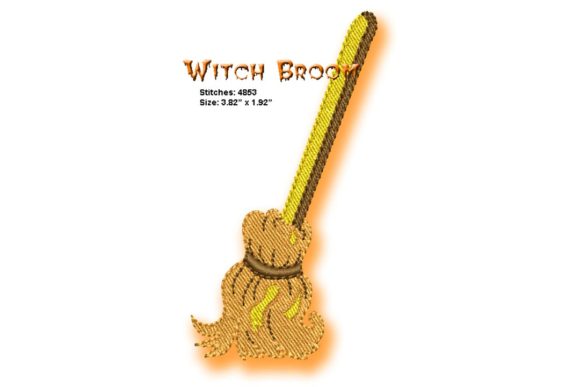
As an embroidery designer who has spent countless weekends behind a booth table, I know that the difference between a browser and a buyer often comes down to visual impact. When I first loaded the Halloween Broom machine embroidery design into my software, my immediate thought was about its potential for the upcoming autumn market season. This isn’t just another spooky graphic; it is a beautiful old traditional style Halloween design that taps into the nostalgic, farmhouse aesthetic that dominates current handmade trends. For craft fair sellers and Etsy owners, understanding how this specific motif translates from a digital embroidery file to a tangible finished product is crucial for maximizing sales.
First Impressions: Nostalgia Meets Marketability
The charm of the Halloween Broom lies in its simplicity and elegance. Unlike modern, cartoonish Halloween graphics that can feel cheap or overly juvenile, this design exudes a rustic, vintage vibe. It feels decorative and premium, appealing to customers who prefer subtle seasonal decor over loud, novelty items. In a crowded craft fair environment, this subtlety is a strength. It allows the piece to sit comfortably alongside neutral home goods, making it easier for customers to imagine it in their own homes. The traditional style suggests quality and timelessness, which are key selling points for any small shop product aiming for a higher price point.
Product Applications: Where This Design Shines
To determine the best use for this design, I evaluated it across various common craft fair products. The hoop size is specified as 4x4, which is a versatile dimension for many applications, but it requires strategic placement.
- Tote Bag Design: Placing the broom on the lower corner of a canvas tote creates a sophisticated look. It acts as a signature mark rather than overwhelming the bag. This works exceptionally well for market bags used during pumpkin picking or farmer's market runs.
- Apron Embroidery: A kitchen apron featuring this motif is a top-tier gift item. The traditional style complements the utility of an apron, suggesting cozy autumn baking sessions. It appeals strongly to buyers looking for hostess gifts.
- Tea Towel Embroidery: This is perhaps the most natural fit. The 4x4 hoop size is perfect for the corner or center of a standard flour sack towel. The linear nature of a broomstick translates beautifully to the flat weave of linen or cotton towels.
- Embroidered Patch: If you stabilize correctly, this design can be turned into an iron-on or sew-on patch. Patches are high-margin, low-effort items that appeal to younger demographics looking to customize denim jackets or backpacks.
- Caps and Headwear: While possible, curved cap surfaces require careful hooping. The design’s horizontal spread needs to be checked against the curve of the crown to ensure it doesn’t distort. It works best as a small accent on the side or back of a dad hat.
Production Practicalities for the Busy Maker
For those of us running a commercial embroidery business, efficiency is key. The Halloween Broom appears to be designed for repeatability. Because it relies on a traditional silhouette, it likely avoids excessive jump stitches or complex color changes that slow down production. However, before committing to a large batch, you must review the stitch density. Dense stitch areas can cause puckering, especially on lighter fabrics like tea towels or thin tote materials. Always test the design on scrap fabric that matches your final product material. This step is non-negotiable for maintaining professional quality.
Photography is another critical factor. This design photographs well because of its clear lines and recognizable shape. For your Etsy listings or social media marketing, create a printable mockup that shows the design in a lifestyle setting—perhaps next to dried corn husks or pumpkins. This helps the customer visualize the scale and mood of the item. A strong visual presentation increases buyer engagement and perceived value.
Navigating Technical Challenges
While the design is aesthetically pleasing, there are technical considerations to keep in mind. The "beautiful old traditional style" implies certain textural elements. If the design includes fine details or small lettering, these may get lost on textured towels or thick fabrics. You must check the resolution of the embroidery file at the intended size. If the broom bristles are rendered with very short, dense stitches, they might pull on loose-weave fabrics. Using the right stabilizer is essential here; a cut-away stabilizer might be necessary for stretchy fabrics, while a tear-away could suffice for stable cottons.
Thread colors also play a pivotal role. To maintain the vintage feel, avoid neon or overly bright threads. Opt for muted oranges, deep browns, charcoal grays, or cream. The contrast between the thread and the fabric must be sufficient for the design to be understood at a glance. On dark fabric, ensure you have enough light-colored stitching to make the broom pop without losing its rustic charm. If the design loses clarity at smaller sizes, consider resizing it within your software limits, keeping the 4x4 hoop constraint in mind.
Boosting Brand Consistency and Booth Appeal
Incorporating Halloween Broom into your lineup can strengthen your brand identity if you specialize in farmhouse or traditional crafts. It signals to your customers that you understand seasonal trends without sacrificing elegance. At a craft fair, this consistency helps build trust. When a customer sees a cohesive collection of tea towels, aprons, and patches all featuring this complementary motif, it encourages multiple purchases. It transforms individual items into a curated collection.
Furthermore, this design serves as an excellent booth sample. Because it is recognizable and festive, it draws attention without being aggressive. It invites conversation. You can easily explain the inspiration behind the "old traditional style," adding a narrative element to your sales pitch. Storytelling is a powerful tool for handmade product sellers, and this design provides a ready-made story about nostalgia and tradition.
Final Designer Notes and Licensing
Before you begin mass production, there are a few final checks to perform. First, confirm the commercial licensing terms of the digital embroidery file. Ensure you have the right to sell finished products made with this design. Second, inspect the file for any potential errors or unnecessary trims that could increase production time. Third, compare fabric colors to ensure your thread palette offers enough variety to suit different customer preferences.
Creating at least one real mockup is vital. Do not rely solely on digital previews. Stitch out the design on your actual inventory items. Check the spacing, the tension, and the overall finish. If the design feels too small on a large tote, consider pairing it with text or other small motifs, provided you have the rights and skills to do so. However, often, the standalone power of a simple, well-executed traditional image is enough to drive sales.
In conclusion, the Halloween Broom is a strong contender for your autumn product line. It balances festive spirit with timeless design, making it suitable for a wide range of customers. By paying attention to fabric texture, stabilizer choice, and thread contrast, you can produce high-quality items that stand out in a saturated market. Whether you are an experienced Etsy seller or a new craft fair vendor, this design offers the versatility and appeal needed to boost your seasonal revenue. Treat it with the care it deserves, and it will become a staple in your handmade shop.