Cute Cartoon Chick: A Designer’s Review for Branded Merch
As an embroidery designer who has spent years digitizing and reviewing files for commercial use, I approach every new machine embroidery design with a critical eye. It is not enough for a design to simply look cute on a screen; it must perform flawlessly when stitched onto real-world products. Recently, I evaluated the Cute Cartoon Chick design, and I want to share my professional perspective on how this asset fits into the workflow of small business owners, apparel decorators, and handmade brands.
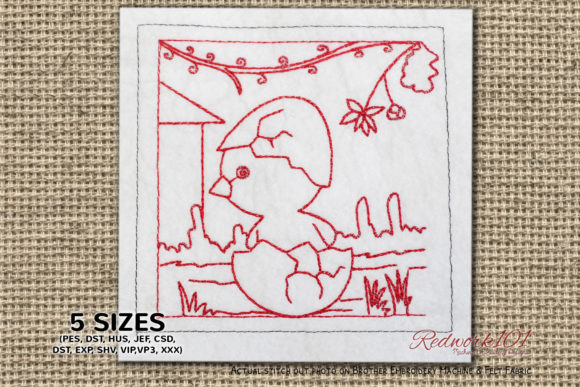
The premise of the design is charming: a little chick emerging from a cracked egg, situated on green grass near a house. At first glance, the visual personality is undeniably playful and friendly. For businesses in the bakery, florist, pet care, or children’s boutique sectors, this aesthetic aligns perfectly with a brand identity that values warmth, approachability, and rustic charm. However, translating that digital appeal into a tangible finished product requires careful consideration of stitch placement, color contrast, and fabric compatibility.
Visual Appeal and Brand Identity Integration
When integrating Cute Cartoon Chick into your brand identity, consider the emotional response it triggers. The imagery of new life and springtime evokes feelings of freshness and care. This makes it an excellent choice for seasonal promotions, Easter collections, or as a year-round mascot for brands focused on natural, organic, or handmade values. Unlike aggressive or overly corporate logos, this design softens the image of a business, making it feel more community-oriented and trustworthy.
For Etsy sellers and crafters, this design serves as a versatile design asset. It can act as a primary logo for a specific product line or as a secondary accent that adds character to plain items. The inclusion of the house and grass elements provides a sense of place and stability, which can subtly reinforce the reliability of a local business. When used correctly, it enhances customer engagement by creating an immediate emotional connection through visual storytelling.
Practical Applications for Small Business Merch
The versatility of this digital embroidery file shines when applied to various merchandise types. Here is how I envision it performing in real commercial scenarios:
- Embroidered Patches: This is perhaps the strongest application. The distinct outlines of the chick and egg make it ideal for cut-edge or merrowed border patches. These can be sold as standalone accessories or ironed onto denim jackets and tote bags.
- Apron Embroidery: For bakeries and cafes, placing this design on the chest pocket of staff aprons adds a touch of whimsy without compromising professionalism. It signals a family-friendly environment.
- Cap Embroidery: Positioned on the front panel of a baseball cap, the chick can serve as a subtle brand marker. However, due to the curved surface, simplifying the background elements might be necessary to maintain clarity.
- Tote Bag Design: Canvas totes are popular for grocery runs and library visits. A larger scale version of this design centered on the bag creates a statement piece that promotes the brand every time the customer leaves the house.
- Custom Apparel: On children’s clothing or baby onesies, this design is a natural fit. It works well as a chest logo accent or a sleeve detail, adding value to basic garments.
By diversifying where you place the Cute Cartoon Chick, you maximize the return on investment for your embroidery file. It transforms from a single image into a cohesive system of small business merch that reinforces brand recognition across multiple touchpoints.
Technical Considerations and Production Challenges
While the design is visually appealing, technical execution is where many beginners stumble. As a designer, I must highlight areas where caution is needed to ensure a high-quality commercial embroidery result.
First, consider the stitch density. Designs with multiple color changes and detailed elements like grass and cracked egg shells can become bulky if the density is too high. This is particularly problematic on textured fabrics or items that require frequent washing, such as kitchen towels or work shirts. Bulkiness can lead to puckering, which detracts from the premium look you are trying to achieve.
Second, pay attention to the optional Box Stitch mentioned in the description. The note states that the color of the outer box varies. If you choose to include this box, ensure it does not crowd the central motif. In smaller applications, such as a left-chest logo on a polo shirt, the box might need to be removed entirely to preserve legibility. Always check if the design works at small patch sizes before committing to a large production run.
Third, thread colors play a crucial role. The contrast between the yellow chick, white egg, and green grass must be sharp. On dark uniforms or navy blue caps, you may need to add a white underlay or adjust the thread shades to prevent the design from getting lost in the background fabric. Testing on real fabric is non-negotiable here.
Designer Notes for Optimal Results
To ensure your handmade product or branded merchandise meets professional standards, follow these practical steps before finalizing your order:
- Test in Black and White: Before stitching in full color, run a test in monochrome. This helps you identify if the shapes are distinct and if the spacing between elements is sufficient. If the design looks muddy in black and white, it will likely look cluttered in color.
- Confirm Hoop Size: The description does not specify exact dimensions. You must verify the hoop size compatibility with your machine. Ensure the design fits within your standard hoops without requiring excessive re-hooping, which can cause alignment issues.
- Use Proper Stabilizer: For stretchy fabrics like t-shirts, use a cut-away stabilizer. For woven fabrics like aprons or tote bags, a tear-away may suffice. The right stabilizer prevents distortion and ensures the chick remains crisp and centered.
- Create a Printable Mockup: Before selling, create a printable mockup or digital composite showing the design on various products. This helps clients visualize the final result and reduces the likelihood of returns due to mismatched expectations.
- Check Commercial Licensing: Always confirm the license terms associated with the digital embroidery file. Ensure you have the right to use it for physical goods sold in your shop. Never assume a file is free for commercial use unless explicitly stated.
Enhancing Customer Trust and Product Value
Ultimately, the goal of using Cute Cartoon Chick is to elevate your brand. High-quality embroidery signals attention to detail. When a customer receives a tote bag or cap with a clean, well-stitched design, their perception of your brand’s quality increases. This builds trust and encourages repeat business.
Consistency is key. Use this design alongside other design assets that share a similar style—perhaps other Birds or nature-themed motifs—to create a cohesive collection. This visual consistency makes your brand instantly recognizable. Whether you are selling at a local farmers' market or online, a professional presentation sets you apart from competitors who may use lower-quality prints or generic designs.
In conclusion, Cute Cartoon Chick is a strong contender for businesses looking to add a touch of warmth and personality to their merchandise. By respecting the technical limitations of Embroidery and applying strategic design thinking, you can turn this simple image into a powerful tool for brand growth. Remember to test thoroughly, choose your fabrics wisely, and let the charm of the design work in harmony with your business goals.