Cute Avocado Applique for Craft Fairs
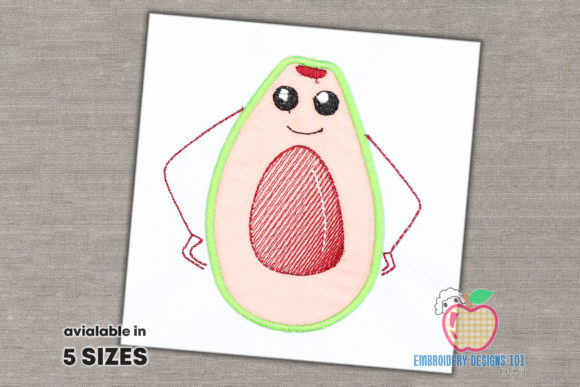
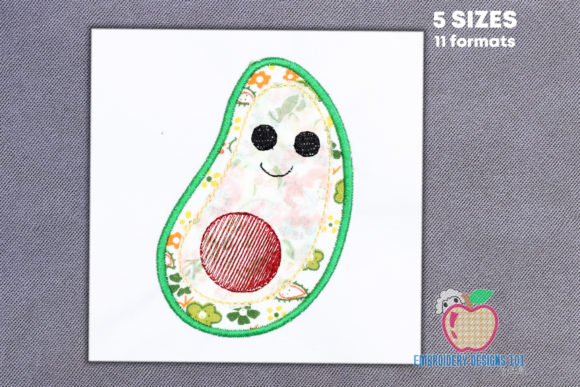
As an embroidery designer who has spent countless weekends standing behind booth tables, I know that the difference between a browser and a buyer often comes down to immediate visual appeal. When I first loaded the Cartoon Baby Avocado Applique for Kids onto my machine, my initial reaction was one of relief mixed with excitement. In a market saturated with generic florals and standard monograms, this design offers a playful, modern twist that feels fresh. It sits comfortably within the Forest product category, tapping into the enduring popularity of nature-inspired motifs but delivering them with a whimsical, cartoonish charm that specifically targets the children’s market and young parents.
First Impressions and Visual Appeal
The first thing you notice about this machine embroidery design is its clarity. The steps are separated by color changes, which is a crucial feature for production efficiency. From a design perspective, the applique technique allows for large areas of coverage without excessive stitch buildup, keeping the final finished product soft and flexible. This is vital when creating items for kids, as stiff, heavy embroidery can be uncomfortable on clothing or blankets. The aesthetic is undeniably cute and approachable. It does not try to be elegant or rustic; instead, it leans into a bright, cheerful vibe that photographs exceptionally well. For an Etsy seller or a boutique maker, this means your listing photos will pop against neutral backgrounds, drawing the eye immediately in a crowded digital marketplace.
Strategic Product Placement for Maximum Sales
When preparing my display for a recent craft fair, I had to decide where this design would perform best. I tested the Cartoon Baby Avocado Applique for Kids on several different substrates, and the results were telling. Here is how it performs across various popular handmade items:
- Tote Bags and Market Bags: This is arguably the strongest application. A canvas tote provides a flat, stable surface that showcases the applique perfectly. The design acts as a focal point, turning a simple bag into a statement piece for grocery runs or library visits.
- Aprons and Tea Towels: For kitchen-themed booths, this design shines. An apron with a cheerful avocado adds personality to cooking chores. However, when doing tea towel embroidery, be mindful of the fabric texture. Terry cloth can swallow small details, so ensure your stabilizer is robust enough to prevent puckering.
- Caps and Hats: While possible, curved surfaces require careful hooping. The applique method helps here because it lies flatter than dense satin stitches, but you must ensure the backing fabric of the applique contrasts well with the cap color.
- Embroidered Patches: Creating iron-on or sew-on patches is a fantastic way to utilize this design. Patches are low-commitment purchases for customers, making them excellent impulse buys at a craft fair table.
- Pillow Covers and Pouches: These items benefit from the softness of the applique. A small pouch with this design makes for a perfect gift item, appealing to those looking for affordable yet thoughtful presents.
Production Practicality and Batch Efficiency
For those of us running small shops, time is money. The fact that this digital embroidery file comes with multiple formats means it is compatible with a wide range of machines, from home hobbyist models to commercial multi-needle units. The separation of steps by color changes simplifies the workflow. You do not need to constantly trim jumps or manage complex thread paths manually. This repeatability is essential for batch production. If you plan to create twenty identical tote bags for a holiday market, you need a design that runs consistently without frequent breaks or errors.
However, practical judgment is required. While the design is user-friendly, you must consider stitch density. Applique designs generally have lower density than fill stitches, but the tack-down stitches and border stitches must be precise. I recommend testing the design on scrap fabric that matches your actual product material. Check the registration of the applique piece against the border stitch. If the border misses the edge of the fabric piece, the look becomes sloppy, diminishing the perceived value of your handmade product.
Navigating Technical Challenges
There are specific scenarios where even a well-designed file can fail if not handled correctly. When working with dark fabrics, the choice of thread colors for the border stitch is critical. A light green border on a dark navy bag might look striking, but ensure the contrast is intentional and not accidental. Furthermore, tiny details can get lost if the design is scaled down too much. Always check the minimum recommended hoop size provided with the file. Shrinking the design beyond its intended limits can cause the stitches to merge, losing the definition of the cartoon character’s face or features.
Another consideration is the stabilizer. For stretchy fabrics like jersey knits used in baby clothes, a cut-away stabilizer is non-negotiable to maintain shape after washing. For woven cottons like tote bags, a tear-away might suffice, but a mesh stabilizer often provides better support for applique edges, preventing them from curling up over time. These technical details separate amateur efforts from professional-grade commercial embroidery.
Enhancing Brand Consistency and Customer Engagement
Using a cohesive theme like Forest helps build brand recognition. If your booth features various nature-inspired items, the Cartoon Baby Avocado Applique for Kids fits seamlessly alongside leaf motifs, woodland creatures, and floral patterns. This consistency creates a curated feel that encourages customers to buy multiple items. Moreover, the playful nature of the design invites interaction. Parents and children are drawn to recognizable, friendly characters. It sparks conversation, which is the primary goal of any craft fair display.
To maximize online sales, create a printable mockup or high-quality photos of the design on various products. Show the versatility of the design assets. Demonstrate how it looks on a white tote, a pastel onesie, and a natural linen pillow. This visual proof helps customers imagine the item in their own lives, increasing conversion rates for your online store.
Final Designer Notes and Licensing
Before you launch your new product line, there are a few final checks to perform. First, confirm the commercial licensing terms. Most digital sellers allow you to sell finished physical products, but restrictions may apply to reselling the file itself or using it on certain high-volume platforms. Always read the license included with your purchase. Second, inspect the file structure. Ensure that the color change sequence makes logical sense for your threading setup. Finally, compare fabric colors. The green of the avocado needs to stand out against the background fabric. If you are using a green bag, consider adding a contrasting backing fabric for the applique to ensure the design remains visible.
In conclusion, the Cartoon Baby Avocado Applique for Kids is a versatile, market-ready asset for any embroidery business. It balances ease of production with high visual impact, making it an ideal choice for both novice crafters and seasoned professionals looking to expand their craft fair product offerings. By paying attention to fabric choice, stabilizer selection, and presentation, you can turn this simple digital file into a best-selling staple of your handmade inventory.